Municipal stormwater programs are under more pressure than ever. Aging infrastructure, intensifying storms, and expanding regulatory requirements are colliding while many communities are still trying to respond with funding approaches that were never designed for long-term resilience. For stormwater managers tasked with protecting public safety, meeting MS4 requirements, and planning for climate uncertainty, the question is no longer whether change is needed, but how to build a funding model that lasts.
The current problem facing stormwater programs
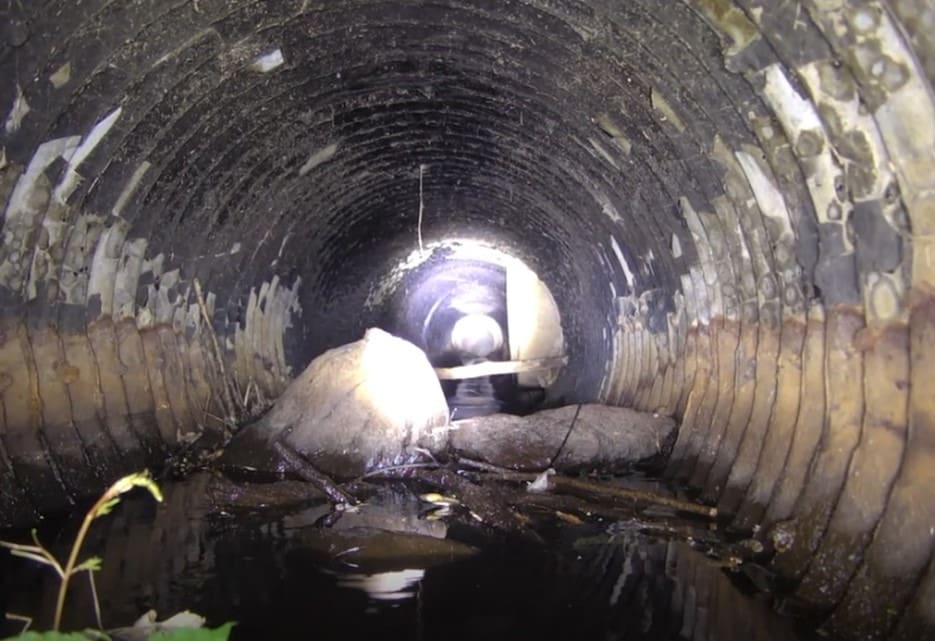 Working with our municipal clients, we see that stormwater infrastructure faces many of the same challenges as drinking water and wastewater systems — pipes in the ground, culverts, catch basins, and treatment features that require continuous operations, maintenance, and reinvestment. Unlike other utilities, however, stormwater programs are often funded through the general municipal budget in competition with line items for schools, public safety, and roads.
Grant programs and disaster response funding have long provided short-term relief, but do not create a reliable financial foundation needed to operate, maintain, and improve their stormwater systems. While we have seen great success supporting clients in pursuit of these state and federal funding resources, being awarded the funds is not guaranteed and only provides a one-time financial boost tied to specific eligibility criteria. This approach creates a cycle of chasing grants without addressing underlying system needs.
Treating stormwater like any other utility
We have seen an uptick in communities seeking our expertise to develop a stormwater utility fee or enterprise fund, much like water or sewer user fees. We partner with communities to conduct a comprehensive inventory and assessment of stormwater infrastructure, draft a master plan and capital improvement plan to determine system needs, and calculate user fees based impervious area as a proxy to impact.
We then use all this information to facilitate community outreach to explain what is often misunderstood by the public as a “rain tax.” The education process is essential to gaining political support to enact the stormwater utility fee, which will generate dedicated revenue for stormwater projects rather than rely on unpredictable annual budget allocations.
Successfully implementing stormwater utilities
The Massachusetts towns of Westborough and Hudson are just two communities that sought Woodard & Curran’s expertise to implement stormwater utilities to support existing and future stormwater management program costs, as well as compliance with Municipal Separate Storm Sewer System (MS4) Permits.
After a comprehensive assessment of Westborough’s stormwater system and identification of deferred maintenance, as well as future investment needs, the project team recommended an average annual stormwater program budget of approximately $1.5 million. This served as the basis for the project team to develop a stormwater utility model that aligned with EPA best practices and successful approaches implemented across the country. We then facilitated public education to help residents, businesses, and decision-makers understand complex technical and financial concepts through Select Board meeting presentations, public information sessions, fact sheets, and scripted content for public access television. The community supported the measure during its annual town meeting on March 14, 2023, which created a dedicated and defensible funding mechanism for the long-term protection of public safety, property, and water quality.
In Hudson, we collaborated with the Department of Public Works to assess existing stormwater assets, quantify current and future program costs, and evaluate funding mechanisms capable of supporting a reliable level of service. The findings of the study were presented to the Hudson Select Board to support informed decision making and a robust public engagement campaign. The creation of a stormwater utility was approved during the annual town meeting on May 1, 2023. The documentation adopted provided clearly defined rates, credits, billing procedures, and appeals processes to start generating a dedicated revenue stream to be solely reinvested in stormwater management.
Taking the step toward improved stormwater management
While it may seem like an exercise in financial planning, establishing a stormwater utility is a strategic step to improving stormwater management and protecting local watersheds. With decades of experience supporting communities across the country and successful implementation of about a dozen stormwater utilities, our experts are positioned to help municipalities identify opportunities for sustainable funding that will be well received by their communities.
