Blogs

Going Beyond the Checklist: A Smarter Approach to Illicit Discharge Detection and Elimination

Non-stormwater contributions to our stormwater drainage infrastructure, whether from private, municipal, commercial, or industrial sources, can quietly degrade water quality, impact public health, and erode community trust. Sanitary wastewater (human sources of waste) leaking into or improperly connected to stormwater infrastructure is an often underappreciated, insidious, and widespread issue, with illicit discharges likely present in nearly any community served by a sanitary sewer system. While many municipalities have Illicit Discharge Detection and Elimination (IDDE) programs in place due to regulatory requirements, not all approaches provide the insight needed to drive meaningful action.

Across regions, we often see a gap between compliance-based programs and those that truly illuminate what is happening within a stormwater system. At Woodard & Curran, we work alongside communities to close that gap, moving IDDE from a checklist to a strategic, data-informed program that supports long-term water quality goals.

Why IDDE Work Rarely Follows a Straight Line

IDDE is rarely as simple as it appears on paper. Stormwater systems are complex, aging, and shaped by decades of development. Illicit discharges often appear intermittently, with signals that can be subtle, inconsistent, or influenced by weather and seasonal conditions. Some municipalities have also inherited combined sewer systems from previous generations where what you flush, and what enters catch basins, mix in the same conveyance pipes. As those combined pipes are repurposed or abandoned their impact on existing stormwater networks further complicating the IDDE process.

We approach IDDE as an investigation — one grounded in curiosity, field experience, and collaboration with our clients. By combining field observations, system knowledge, and data analysis, our teams can interpret ambiguous results, test assumptions, and adjust strategies in real time. This adaptive approach helps uncover issues that might otherwise go undetected and positions communities to act with greater confidence.
Author

James Sherrard, Jr. Technical Manager Watersheds

View All Posts

Stormwater Infrastructure Investigation

Turning data into insight and action

Effective IDDE programs require more than data collection. It matters how that data is organized, understood, and applied. We support the full lifecycle of IDDE programs, helping municipalities translate existing stormwater maps, field observations and sampling results into clear, visual tools that support decision-making.

A group of seven people stand around a man hole in front of a residential hole learning how to conduct field investigations of stormwater infrastructure for an have Illicit Discharge Detection and Elimination (IDDE) program.

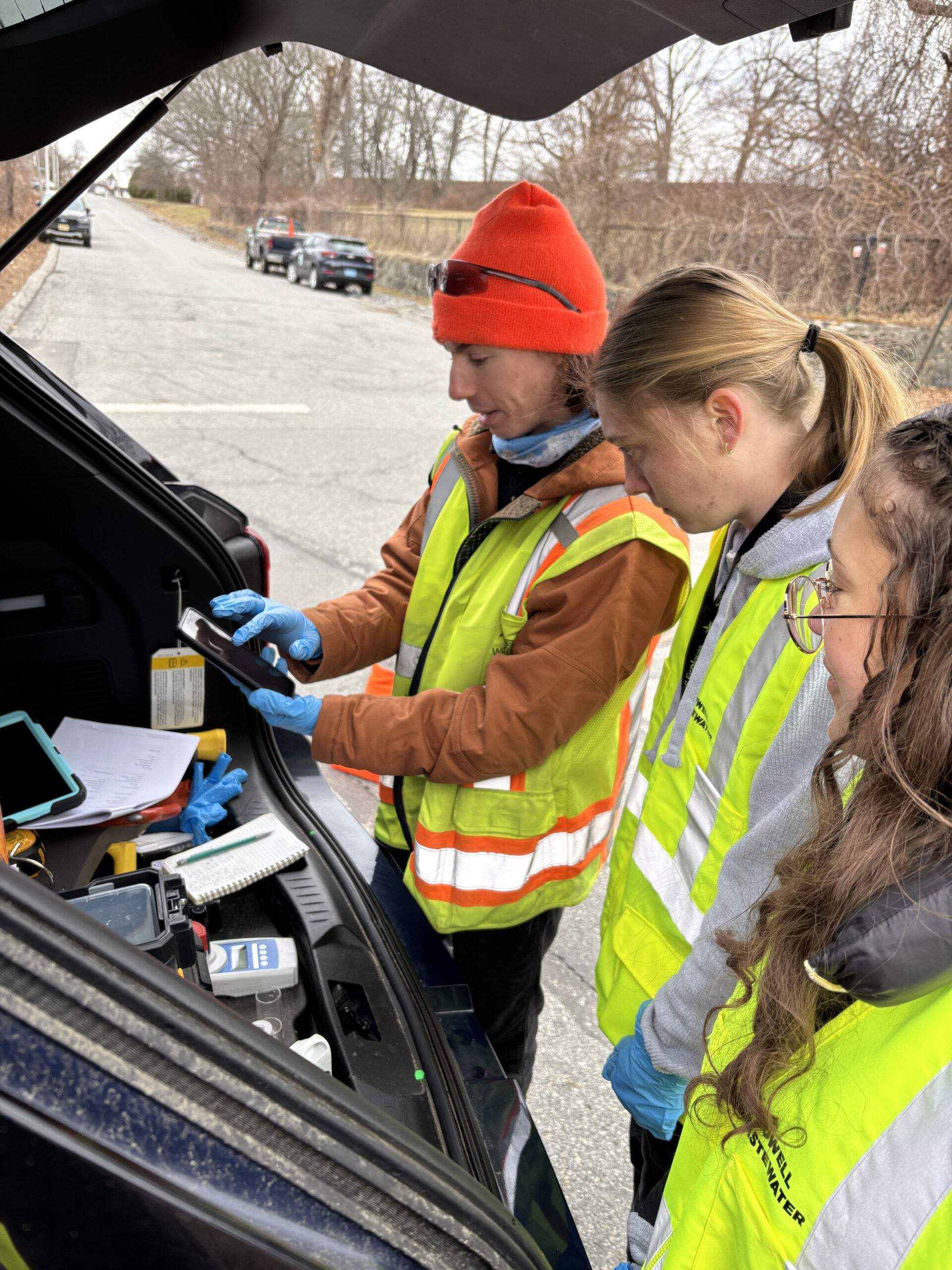
Woodard & Curran’s Becca Kammerer (center) and Matthew Bernhardt (far left) educate a crew on how to conduct field investigations.

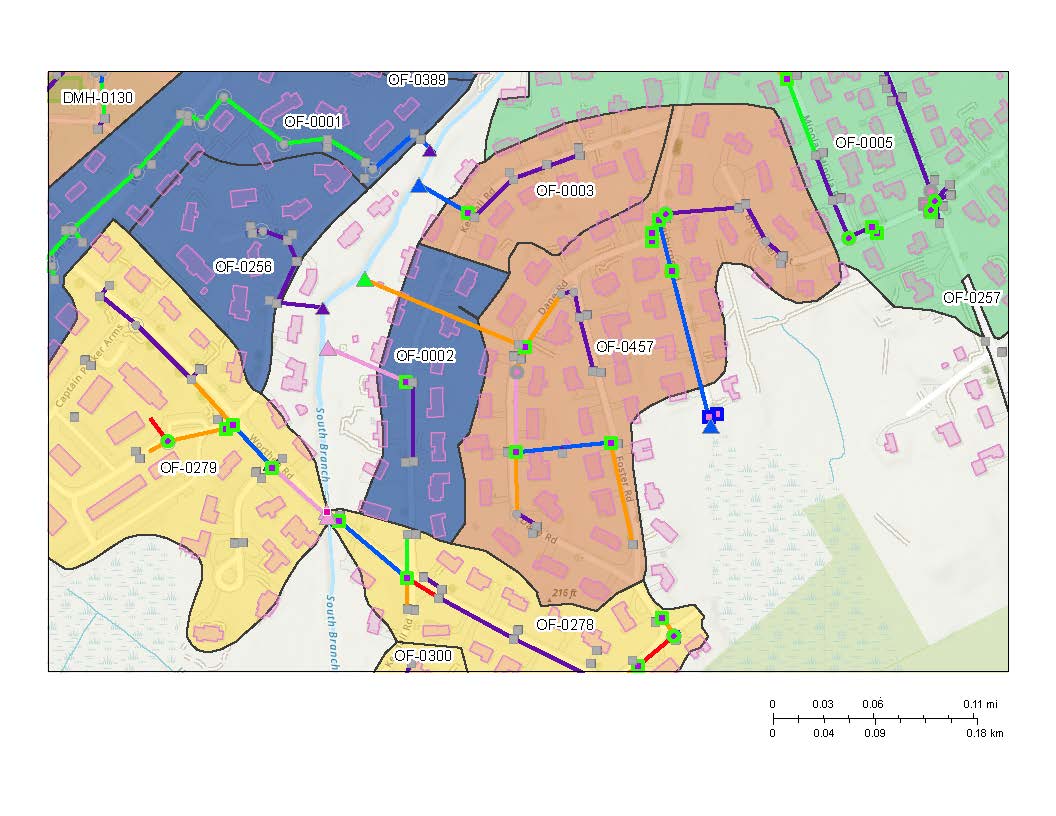
We deploy field teams to conduct strategic investigations using a sampling approach influenced by long-term data sets developed by the EPA. We use data collected to develop catchment-based frameworks that show how drainage areas connect and where potential sources of contamination may originate. These tools replace disconnected spreadsheets with accessible, map-based insights that support both technical analysis and communication with stakeholders. With a clearer view of the system, communities can focus efforts where they will have the most impact and reduce uncertainty, improve efficiency, and build momentum toward measurable water quality improvements.

We then help clients implement corrective actions, maintaining continuity from investigation to resolution. Working with a single consultant from investigation to project implementation strengthens collaboration with municipal staff, regulators, and other stakeholders, helping ensure that findings translate into practical, timely, and cost-effective solutions that align with community priorities.

This is an example of a stormwater system mapped out and color coded based on an have Illicit Discharge Detection and Elimination (IDDE) program field investigation.

An example of stormwater infrastructure mapped out and color coded for IDDE program management.

Using advanced tools to answer the right questions

Traditional indicators can confirm the presence of contamination, but they do not always reveal its source. To provide deeper insight, we incorporate advanced analytical methods, including microbial source tracking. By identifying human-specific bacterial markers, we help communities distinguish between sewage-related discharges and other sources, such as wildlife, or pet waste. This added clarity allows municipalities to target their response, use resources more effectively, and address the root cause of water quality concerns.

Staying ahead of evolving expectations

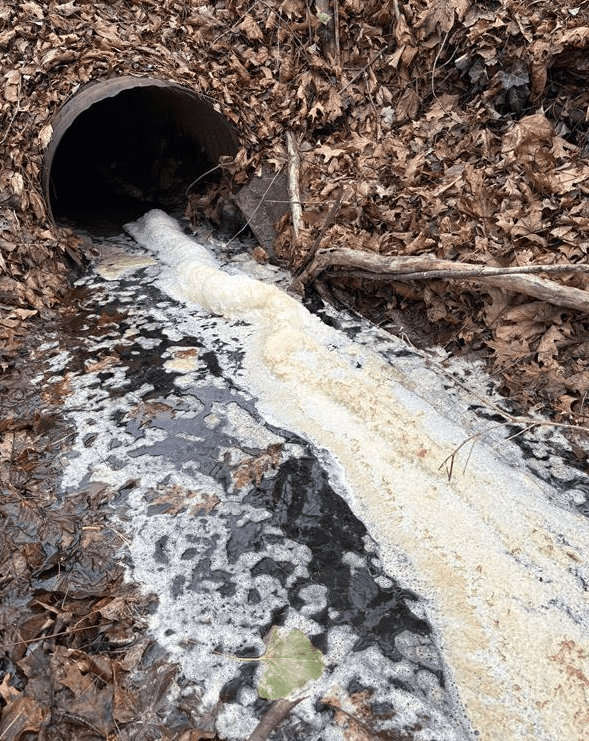
A stormwater outfall with water rushing from the drain pipe.

This outfall was flagged by a resident, but a field investigation revealed the foam is naturally occurring and not due to an illicit discharge.

Regulatory requirements for IDDE continue to evolve, with more emphasis on catchment-level investigation and documentation. While approaches vary by region, the overall direction points toward more detailed, data-driven programs. Many communities are choosing to act ahead of these changes. Whether driven by regulatory commitments, leadership priorities, or a shared goal of protecting local waterways, proactive IDDE programs support resilience and long-term environmental stewardship.

Woodard & Curran has extensive experience working with clients to exceed regulatory requirements. We support a proactive approach that helps communities identify and address issues early, reducing future risk and protecting valuable water resources. A strong IDDE program depends on the people implementing it. Our stormwater professionals bring hands-on field experience in investigations, sampling, and data evaluation, supported by clear protocols and close coordination with GIS and technical specialists.

Co-author

Garrett Bergey CPMSM Technical Manager Watersheds
Tags Stormwater
Scroll back to top of the page